41 why should you read food labels
How to understand food labels - Eat For Health The Nutrition Information Panel on a food label offers the simplest and easiest way to choose foods with less saturated fat, salt (sodium), added sugars and kilojoules, and more fibre. It can also be used to decide how large one serve of a food group choice or discretionary food would be and whether it's worth the kilojoules. Why Is Reading Food Labels Important? | livestrong Why Is Reading Food Labels Important? Provides Key Information. The nutrition label provides key information such as serving size, calories, total fat,... Helps You Cut Back. Typically, Americans consume too much salt, saturated fat and added sugar. Checking nutrition labels... Helps You Improve ...
Understanding food labels - Diabetes UK Here's the difference: Fat free: has to have no fat, but check the ingredients list for added sugar, which are often used to replace the fat. Sugar free: check the ingredients list for fats which may replace the sugar. Low fat: the product has 3g or less of fat per 100g. Low sugar: has less than 5g of sugar per 100g.

Why should you read food labels
How to Read a Pet Food Label - Being Sunnies The ingredients are then listed in decreasing weight order. Meat, poultry, or meals should be among the first components specified in nutritious pet food. Because cats and dogs are carnivores, the first three ingredients should be meat or meat meals, such as poultry, lamb, beef, or fish. For beef or poultry, read the label. Food labels - NHS Food labels Nutrition labels can help you choose between products and keep a check on the amount of foods you're eating that are high in fat, salt and added sugars. Most pre-packed foods have a nutrition label on the back or side of the packaging. Reading Food Labels - What You Need to Know - Drugs.com Reading labels may help you get enough of the nutrients you need each day to be healthy. Reading labels may also help you to eat less of the nutrients that could cause health problems. Eating too much fat, saturated (SACH-er-ay-ted) fat, trans fat, cholesterol (koh-LES-ter-ol) and sodium may increase your risk for certain health problems.
Why should you read food labels. Why you should read food labels carefully - Baltimore Sun Reading labels can help you start limiting your intake of ingredients that are unhealthy in large quantities. Limit sodium. "Excessive intake of sodium can increase blood pressure," Castro says.... Top Reasons Why Having Food Labels is Important | Sticky Biz Offering helpful information on your food labels gives consumers confidence in using your product, especially when it comes to cooking instructions as this gets the best flavor from the food and helps them avoid sickness. We have product specialists ready to help you at 562-945-3486 Flexographic Printing Custom printed tape Stock printed tapes 5 Reasons Why You Should Read Food Labels Before Buying Them |mfine Reading labels while buying packaged foods helps you effortlessly cut back on these components without fail so that your health never has to suffer. Keep a watch on the 'total carbs' content as carbohydrates too ultimately turn into sugar during the digestion process. It can help you identify 'sugar' content How to Read Food Labels Without Being Tricked - Healthline Still, processed foods that are labeled low-carb are usually still processed junk foods, similar to processed low-fat foods. Made with whole grains. The product may contain very little whole ...
Why it is important to read and understand food labels The food label will provide information on what you are putting into your body by reading the ingredients and how much you are eating by reading the nutrition facts. For most people with diabetes it is ideal to maintain a healthy weight. In order to do this, we must understand what nutrients we are putting in our meals. The Importance of Food Labels The Importance of Food Labels In many developed countries, food labeling is absolutely necessary. Not only do we need food labeling to tell us what is being put into our food, but it is required by law in an effort to let consumers know what they are putting into their bodies and how to make choices in their dietary and nutritional efforts. Six reasons why food labelling is important Countries must abide by these standards when labelling food, especially those that will be sold on the global market. Here are six reasons why food labelling is important: 1. Keep healthy - Labels help you to understand the composition of your food: its vitamins, minerals, calories, fats, etc. This information is fundamental in ensuring that you are eating the kinds of food that are good for you. Importance of Reading Food Labels before Purchasing a Product. Food labels provide information on the types of nutrients and the amounts of calories used in producing the food item. Read the nutrients list clearly, and identify the type of nutrients that are not meeting your health requirements. Consuming higher amounts of fat, saturated fat, trans fat, or sodium may lead to severe health problems.
The Importance of Food Labels | Requirements for Packaging Importance of Food Labels Food labels are a legal requirement and they are important for many reasons. They help consumers make informed choices about the food they buy, help them to store and use it safely and allows people to plan when they will consume it - all of which help to reduce food wastage. Food label reading: Read before you eat - PMC In our survey, 52.5% consumers do not read the ingredients' list written on the food label. The US Dietary Guidelines 2010 states that "The ingredients list can be used to find out whether a food or beverage contains synthetic trans fats, solid fats, added sugars, whole grains, and refined grains.". Ingredient lists contain important ... The Importance of Food Labelling | Eufic The Importance of Food Labelling. Ensuring food safety is a shared responsibility between governments, producers, industry and consumers. Food labelling is one way in which consumers can get knowledge about the food they consider buying. Correctly following the information provided on food labels (such as expiry dates, handling instructions and ... Understanding Food Nutrition Labels | American Heart Association Understanding Food Nutrition Labels Learning how to understand and use the Nutrition Facts label can help you make healthier eating choices and identify nutrient-dense foods for a healthy diet. Here are some tips from the American Heart Association for making the most of the information on food labels. Learn what to look for on the label.
Knit Jones: Half Bath Remodel
Food labels - Better Health Channel No added sugar - products must not contain added sugar, but may contain natural sugars. Reduced fat or salt - should be at least a 25% reduction from the original product. Low fat - must contain less than 3% fat for solid foods (1.5% for liquid foods). Fat free - must be less than 0.15% fat.
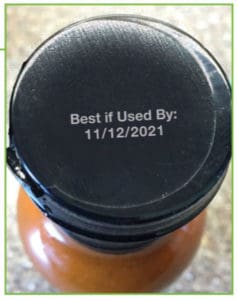
How to Read Food Labels | PA Nutrition Education Network
Why You Should Read Food Labels - EzineArticles Do you read food labels? If you are interested in your health and the health of your family it is good habit to have. Reading labels can be quite revealing and sometimes surprising, and we shouldn't take for granted something that is supposed to be "healthy" necessarily is.

Understanding How to Read Food Labels
Reading Food Labels When You Have Diabetes - WebMD At least 25% less cholesterol and 2 g or less of saturated fat. Calorie free. Less than 5 calories. Low calorie. 40 calories or less. Light or lite. 1/3 fewer calories or 50% less fat. Other ...
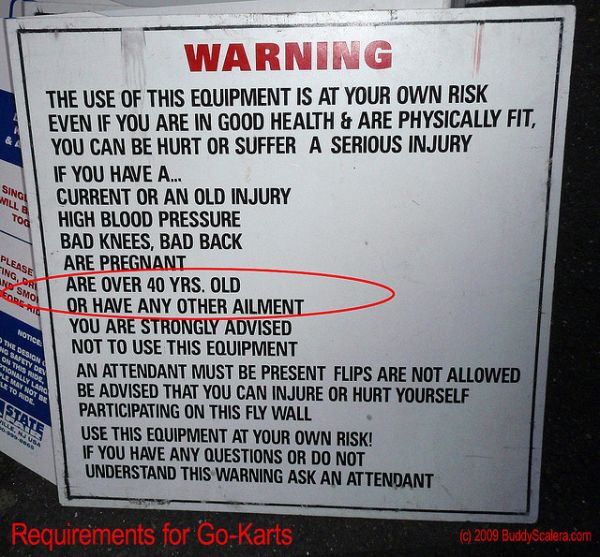
13 Strange Signs And Unnecessary Warning Labels - Neatorama
Food labels & nutritional information | Raising Children Network Food labels: tell you what ingredients and/or additives are in the food give you nutritional information about the food and food storage instructions tell you who manufactured the food. Nutritional information panels (NIPs) are a part of the food label. These tell you what nutrients the food contains and how much of each nutrient there is.
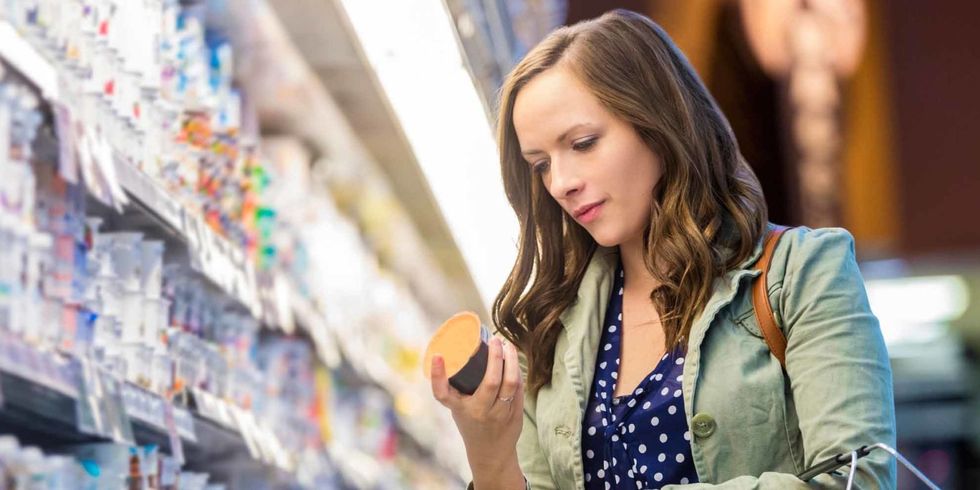
5 Helpful Tips When Reading Food Labels - How to Read Food Labels
PDF Why Read Labels - US EPA Read the Label F i r s t! to save money. Follow these guidelines to ensure safe, cost-effective use of household products: • Buy the Right Product. Read the label to make sure it's the right product for the job. You'll save money and frustration. • Buy the Right Amount for Your Needs. Buy only what you need and pass the rest on to ...

Watch Your Labels with Sushi - My Whole Food Life
The Importance of Reading the Food Label and Nutritional Facts Just remember, reading food labels can help you keep your intake of the good stuff like vitamins, protein, and good fat high - and your intake of sodium, added sugars, and bad fats low. Food labels are just one more excellent tool for helping you build a healthy lifestyle for your family. Food Forensics: The Hidden Toxins Lurking in Your...

How to Read Food Labels | A Foodcentric Life
Food labels will not only show you the composition of your food, but it will often also indicate which fraction of your daily calory intake will be covered by a certain portion of the respective food item. By getting this information, you might be better able to plan your diet in order to avoid excessive calory intake.

Reasons You Need to Read Food Labels | BREA Getting Fit
How To Read Food and Beverage Labels | National Institute on Aging Read the nutrition label as a whole to determine how a particular food or drink fits into your healthy eating pattern . Is lower % DV always healthier? If a food has 5% DV or less of a nutrient per serving, it is considered low in that nutrient. If it has 20% DV or more of a nutrient per serving, it is considered high in that nutrient.

33 How Do You Read A Food Label - Best Labels Ideas 2020
Importance of Nutrition Labels | Healthy Eating | SF Gate In a study published in the "Journal of the American Dietetic Association" in April 2000, people told by their doctors to lose weight for health reasons who used nutrition labels consumed fewer...

Knit Jones: Bathroom Reno Day #1...in pictures
How to Understand and Use the Nutrition Facts Label | FDA You can use the label to support your personal dietary needs - look for foods that contain more of the nutrients you want to get more of and less of the nutrients you may want to limit. Nutrients...

Knit Jones: October 2010
Reading Food Labels - What You Need to Know - Drugs.com Reading labels may help you get enough of the nutrients you need each day to be healthy. Reading labels may also help you to eat less of the nutrients that could cause health problems. Eating too much fat, saturated (SACH-er-ay-ted) fat, trans fat, cholesterol (koh-LES-ter-ol) and sodium may increase your risk for certain health problems.

How to Read Food Labels - YouTube
Food labels - NHS Food labels Nutrition labels can help you choose between products and keep a check on the amount of foods you're eating that are high in fat, salt and added sugars. Most pre-packed foods have a nutrition label on the back or side of the packaging.

Knit Jones: Things I Want...
How to Read a Pet Food Label - Being Sunnies The ingredients are then listed in decreasing weight order. Meat, poultry, or meals should be among the first components specified in nutritious pet food. Because cats and dogs are carnivores, the first three ingredients should be meat or meat meals, such as poultry, lamb, beef, or fish. For beef or poultry, read the label.

How Do You Read Food Labels? - YouTube

Knit Jones: New Baby=More Knitting Projects!

How to Read Food Labels - YouTube

Have you read your toothpaste label lately? – SheKnows
Post a Comment for "41 why should you read food labels"