42 food labels with additives
› organic-food › art-20043880Organic foods: Are they safer? More nutritious? - Mayo Clinic Apr 22, 2022 · No, "natural" and "organic" are different. Usually, "natural" on a food label means that the product has no artificial colors, flavors or preservatives. "Natural" on a label doesn't have to do with the methods or materials used to grow the food ingredients. Also be careful not to mix up other common food labels with organic labels. › food › food-additives-petitionsColor Additives Questions and Answers for Consumers | FDA Color additives may be used in food to enhance natural colors, add color to colorless and ‘fun’ foods such as cake decorations, and help identify flavors (such as purple for grape flavor or ...
8 misleading food marketing labels | AGDAILY So, even though it is true, a "No Added Hormones" label on your chicken, turkey, or bacon is a bit deceptive because it's true whether they've decided to add that label to the packaging or not. Hormones are allowed to be provided to beef cattle so that they grow quicker and, therefore, require less feed.
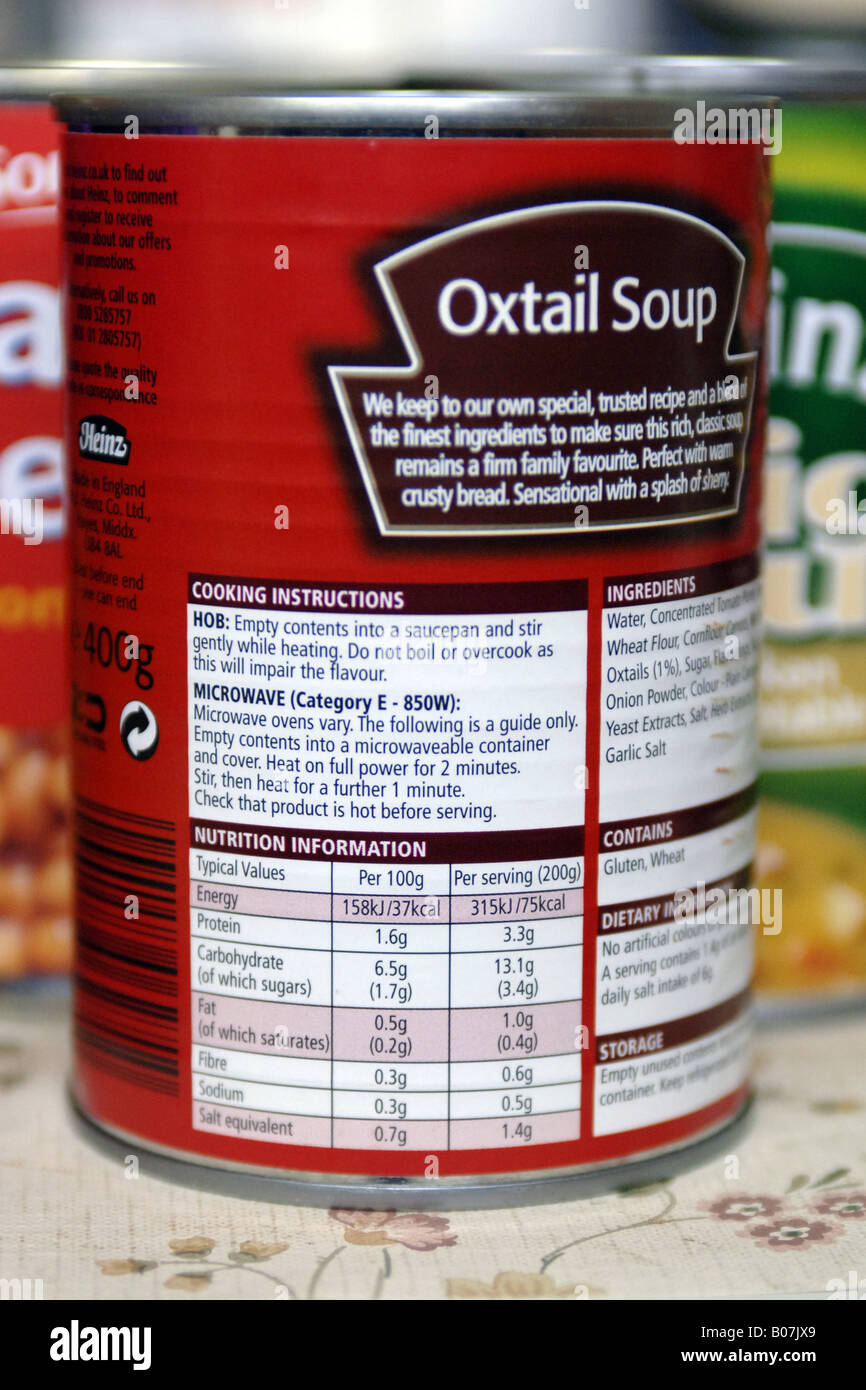
Food labels with additives
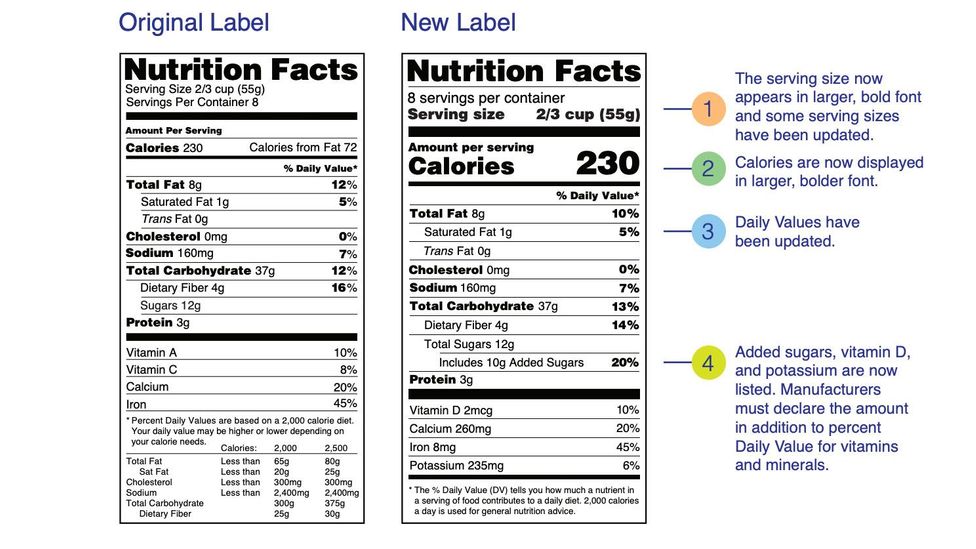
Additives in food products - EU labelling rules - Your Europe In an ingredient list, most food additives and food enzymes must be preceded by the name of the category to which they belong (examples: antioxidant, emulsifier, preservative). List of all additives - annex 2 part B of the EU regulation on food additives Classes of food additives - annex 1 of the EU regulation on food additives › food › food-labeling-nutritionChanges to the Nutrition Facts Label | FDA - U.S. Food and ... Mar 07, 2022 · Manufacturers with $10 million or more in annual sales were required to update their labels by January 1, 2020; manufacturers with less than $10 million in annual food sales were required to ... Food Additives | What to Look for On a Label to Keep Yourself Safe! BHA is a commonly used chemical food additive that slows the rate of autoxidation in food, which prevents changes in color, smell, and taste. It's frequently added to butter, lard, meats, cereals, baked goods, sweets, beer, vegetable oils, potato chips, snack foods, nuts and nut products, and dehydrated potatoes.
Food labels with additives. Food additives - Canadian Food Inspection Agency There are 15 Lists of permitted food additives, which are housed on the Health Canada website, and organized by major functional categories: Anti-caking agents Bleaching, maturing and dough conditioning agents Colouring agents Emulsifying, gelling, stabilizing or thickening agents Food enzymes Firming agents Glazing and polishing agents › media › blogOrganic 101: What the USDA Organic Label Means | USDA Mar 13, 2019 · This is the third installment of the Organic 101 series that explores different aspects of the USDA organic regulations. Amidst nutrition facts, ingredients lists, and dietary claims on food packages, “organic” might appear as one more piece of information to decipher when shopping for foods. So understanding what “organic” really means can help shoppers make informed choices during ... Food Labeling - USDA Several federal agencies are involved in the regulation of food labels in the United States. Food labeling is generally regulated by the United States Department of Agriculture (USDA) and the United States Food and Drug Administration (FDA). The Food Safety and Inspection Service (FSIS), a public health agency within the USDA, is responsible for ensuring that the nation's commercial supply ... Food additives | EFSA Food additives are substances added intentionally to foodstuffs to perform certain technological functions, for example to colour, or to help preserve foods. ... The most common additives to appear on food labels are antioxidants (to prevent deterioration caused by oxidation), colours, emulsifiers, stabilisers, gelling agents and thickeners ...
Additives - Food Standards Labelling Food additives in most packaged food must be listed in the statement of ingredients on the label. Most food additives must be listed by their class name followed by the name of the food additive or the food additive number, for example, Colour (Caramel I) or Colour (150a). Food Labels & Additives - Healthy Alternatives Food Labels & Additives Linda 2018-04-04T21:44:38-07:00. Beware of "healthy-sounding" catch words on food labels! Beware that certain claims highlighted on food labels don't necessarily indicate the product is healthy for you. Unless you read the ... Overview of Food Ingredients, Additives & Colors | FDA On a product label, the ingredients are listed in order of predominance, with the ingredients used in the greatest amount first, followed in descending order by those in smaller amounts. The... Understanding Food Labels - Food Ingredient Facts Food labels are required to list all ingredients contained in the food in descending order based on the amount found in the final product. Most food additives are therefore found toward the end of the ingredient list. This indicates they are used in very small amounts in the food, generally less than two percent of the product.
en.wikipedia.org › wiki › Food_additiveFood additive - Wikipedia Food additives are substances added to food to preserve flavor or enhance taste, appearance, or other sensory qualities. Some additives have been used for centuries as part of an effort to preserve food, for example vinegar ( pickling ), salt ( salting ), smoke ( smoking ), sugar ( crystallization ), etc. 22 Additives And Preservatives To Avoid | FOOD MATTERS® May cause chromosomal damage. Found in candy, cereal, soft drinks, sports drinks and pet foods. 4. Red Dye # 3 (also Red #40 - a more current dye) ( E124) Banned in 1990 after 8 years of debate from use in many foods and cosmetics. This dye continues to be on the market until supplies run out! Don't Be Fooled by Food Labels - WebMD Appendix A: Definitions of Nutrient Content Claims)," "What is the meaning of 'natural' on the label of food?" GreenerChoices.org: "No additives." National Chicken Council: "Chickopedia: What ... Food labels: What are additives and E-numbers? - AngeNoy.com Additives can be natural or artificial in origin, and can be listed with either an e-number or a name, such as Sweetener (Aspartame), or Sweetener (E951). What are E-numbers? E-numbers are reference code numbers given to different chemicals that have undergone safety tests and been approved for use as food additives throughout the European Union.
Packaging labels on food stuffs with information on ...
Food Additives: Types, Advantages & Disadvantages - Embibe Ans: Food additives are added to increase the shelf-life of the stored food or for cosmetic purposes. Antioxidants, preservatives, fat emulsifiers, and stabilizing agents, as well as flavour improvers, are used to increase the shelf-life of the stored food. Dyes, flavours, and sweetening agents help to improve their cosmetic value. Q.6.
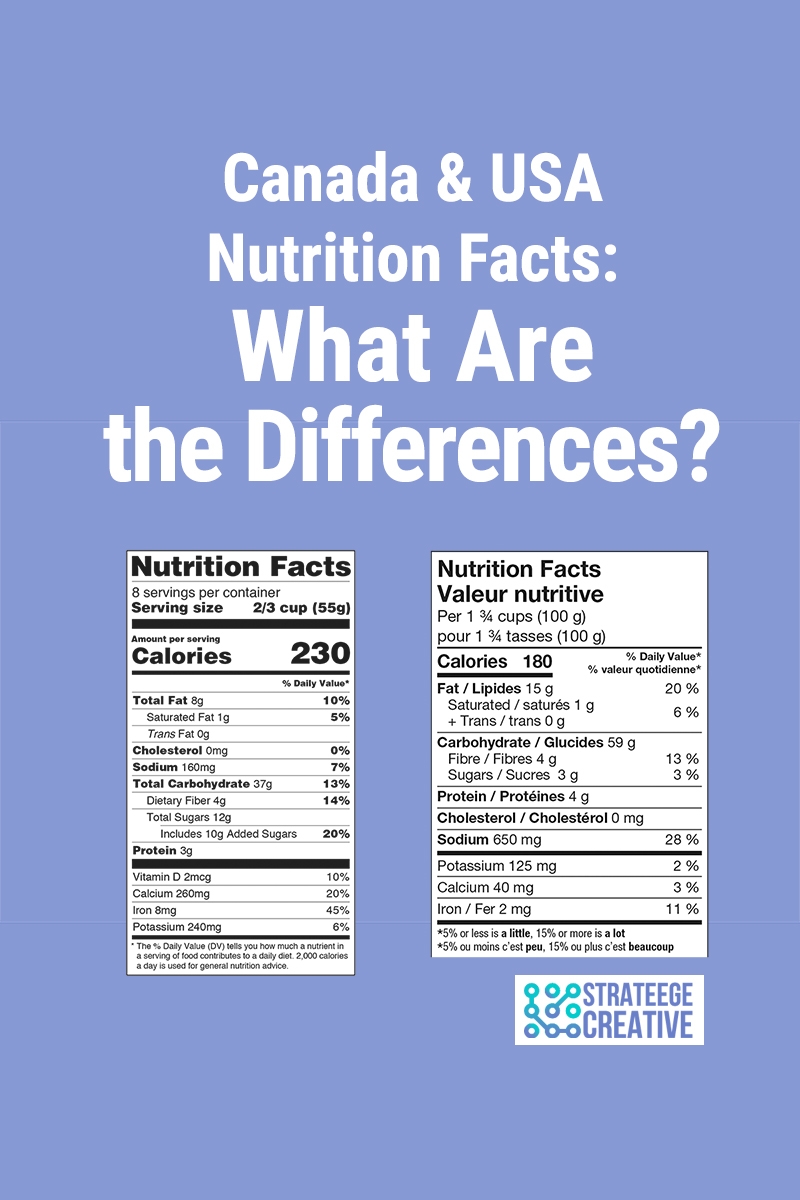
Food Labeling: Differences Between U.S. and Canada Labels and ...
Why is there concern about common food additives? The Food and Drug Administration said certain children may be sensitive to dyes like Red 40, and that parents can use ingredient labels to choose foods with fewer color additives.
GENERAL STANDARD FOR THE LABELLING OF FOOD ADDITIVES WHEN ...
Food Additives Labeling - LabelCalc Color Additives: Color additives have their own separate list, much like the Food Additives List, called Color Additive Status List. If you have trouble finding a particular additive, you can call (240) 402-1200 and speak to the CFSAN Office for Food Additive Safety.

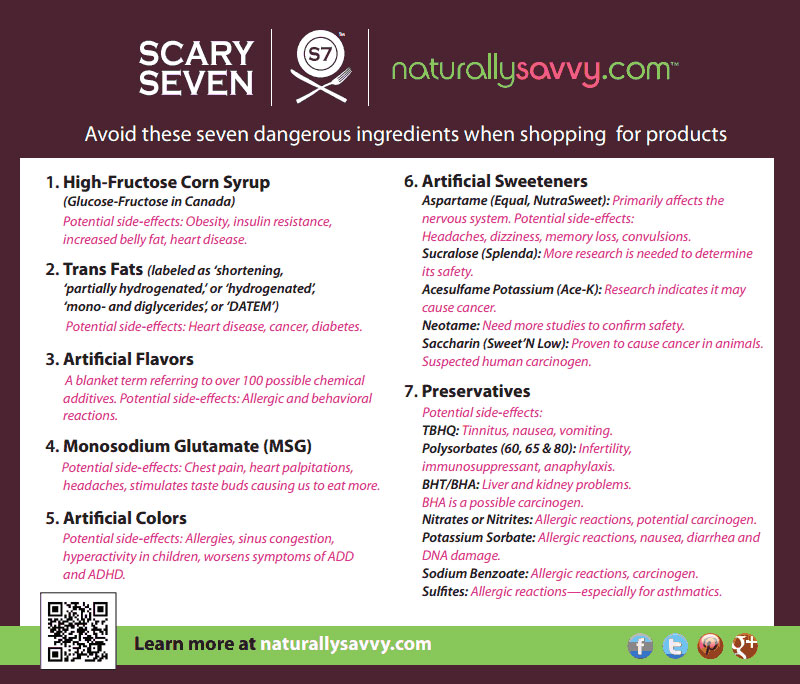
7 Scary Food Additives to Avoid | Naturally Savvy
Processing Aids: What's Not on the Label, and Why? There's an entire category of substances used in food production that don't ever make their way onto the label for a number of reasons. These substances are known as "incidental additives,"...

Left Coast Naturals-Blog
Food Labels Complete.pdf - FOOD LABELS and ADDITIVES Key - Course Hero 3. On food labels claims and terms have very specific meanings mandated by law. If the following phrases were printed on a food package, what would they mean? • healthy - Claims about a food or ingredient or method of preparation that suggests that the nutrient or ingredient are absent or present in a certain amount or claims about a food that suggests a food may be useful in maintaining ...
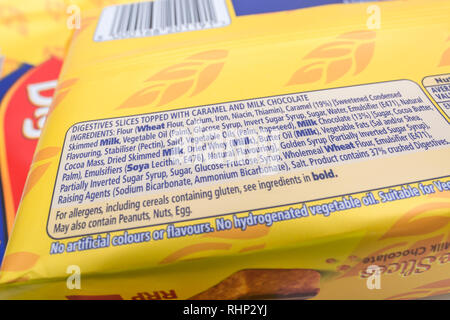
Macro close-up of ingredient label / food label of McVitie's ...
› article › food-additivesWhat are food additives and how are they regulated in the EU? Dec 01, 2021 · In the EU, food additives must be identified as ingredients of the foods in which they are used. The name or E number of the additive (e.g. citric acid or E 330) must be listed on the labels of food products as well as information about the function that the additive performs in the food (i.e. why it is used: e.g. preservative).
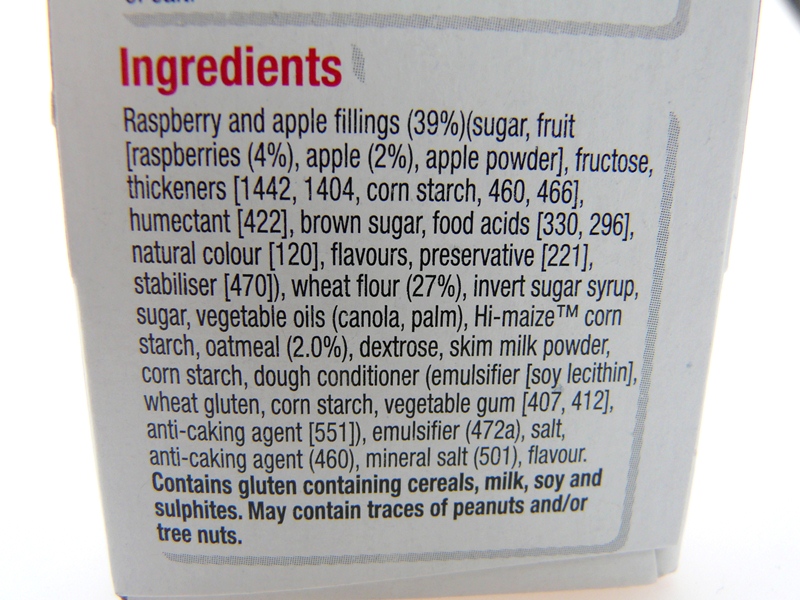
Additives and what they do - Catherine Saxelby's Foodwatch
12 Common Food Additives — Should You Avoid Them? - Healthline Chicken, beef, fish, pork, legumes, nuts, eggs and tempeh are just a few delicious high-protein foods that you can add to your diet in place of processed meats. Summary Sodium nitrite is a common...

36 Food Labels You Should Know | News
Food Label Lies: Your Food May Not Be What You Think It Is - WebMD Food Additives In This Special Report. Article The Dirty Secrets of 'Clean' Labels. ... Decoding Food Label Claims. Video Food Additives 101. Expert Q&A Blog A Closer Look at Processed Foods.

The Truth in Food Labeling -Food Additives to Avoid - Hidden ...
Food Additive Status List | FDA Additives included are those specified in the regulations promulgated under the FD&C Act, under Sections 401 (Food Standards), and 409 (Food Additives). The Food Additives Status List...
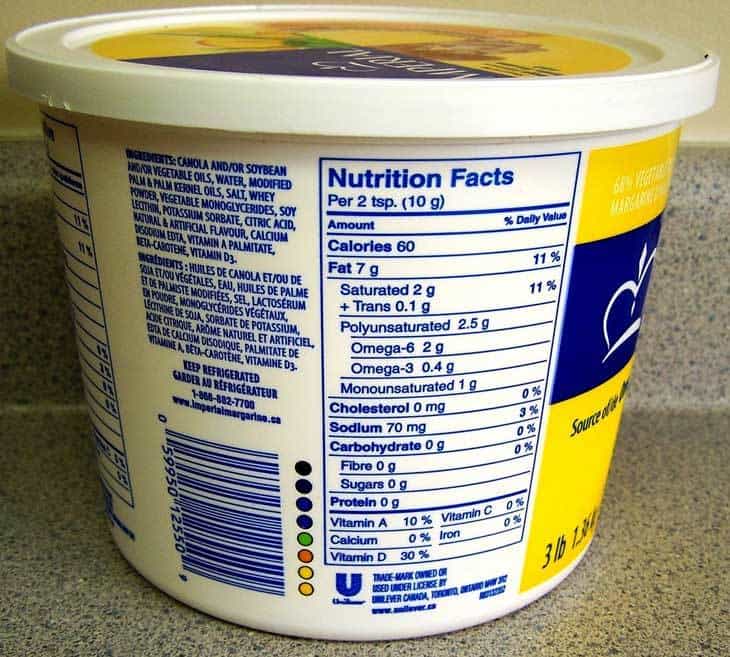
THE FACTS ON FOOD ADDITIVES: Reading nutrition facts food ...
› food-and-drink › food-warningsFood and drink additives you should avoid. | CHOICE Colours and cancer. Two long-term feeding studies showed that erythrosine (127) increases the incidence of thyroid tumours in rats. But a review of these and other available data by the Joint Expert Committee on Food Additives (JECFA), which is administered jointly by the Food and Agriculture Organisation of the United Nations and the World Health Organization (WHO), concluded the colour is safe.
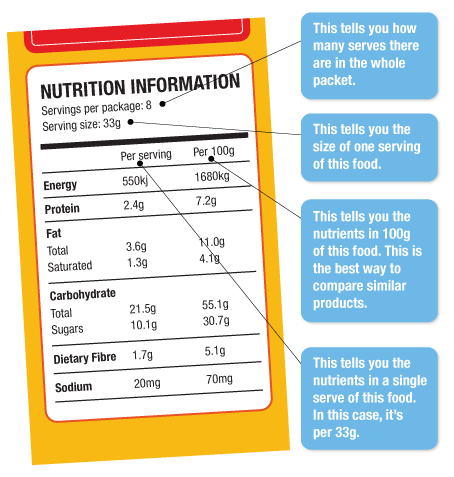
Food labels & nutritional information | Raising Children Network
Food additive labelling - Food Standards Most food additives must be listed by their class name followed by the name of the food additive or the food additive number, for example, Colour (Caramel I) or Colour (150a). Enzymes and most flavourings (or flavour) do not need to be named or identified by a food additive number and can be labelled by their class name only.
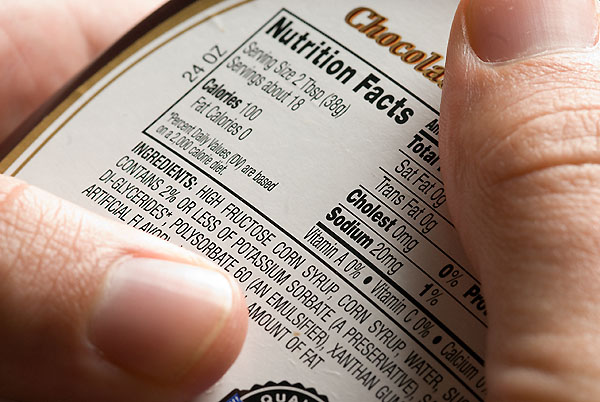
Top 10 Food Additives To Stay Away From
Food additives | Food Standards Agency The additives that you are most likely to come across on food labels are: antioxidants - these stop food becoming rancid or changing colour by reducing the chance of fats combining with...

food labeling — FDA Reader — FDA Reader
How to Read Food Labels and Avoid Toxic Ingredients You should also be aware that some ingredients work along with MSG and their use typically suggests that the product has MSG in it. Truth in Labeling notes that these ingredients are not likely to be used as food additives if there were no MSG present in the product. Disodium 5-Guanylate Disodium 5-Inosinate Disodium 5-Ribonucleotides
The Dangers of Food Additives & How to Avoid Them
Read Your Labels: The "Top Ten" Additives to Avoid: A Recap These "excitoxins" can be found in soups, broth, flavoring additives, chips, dips, soup mixes, ramen noodles, frozen meals, snack mixes, canned fish, and a wide variety of other dishes - including "natural," "vegetarian," and organic ones. Why you should avoid them:
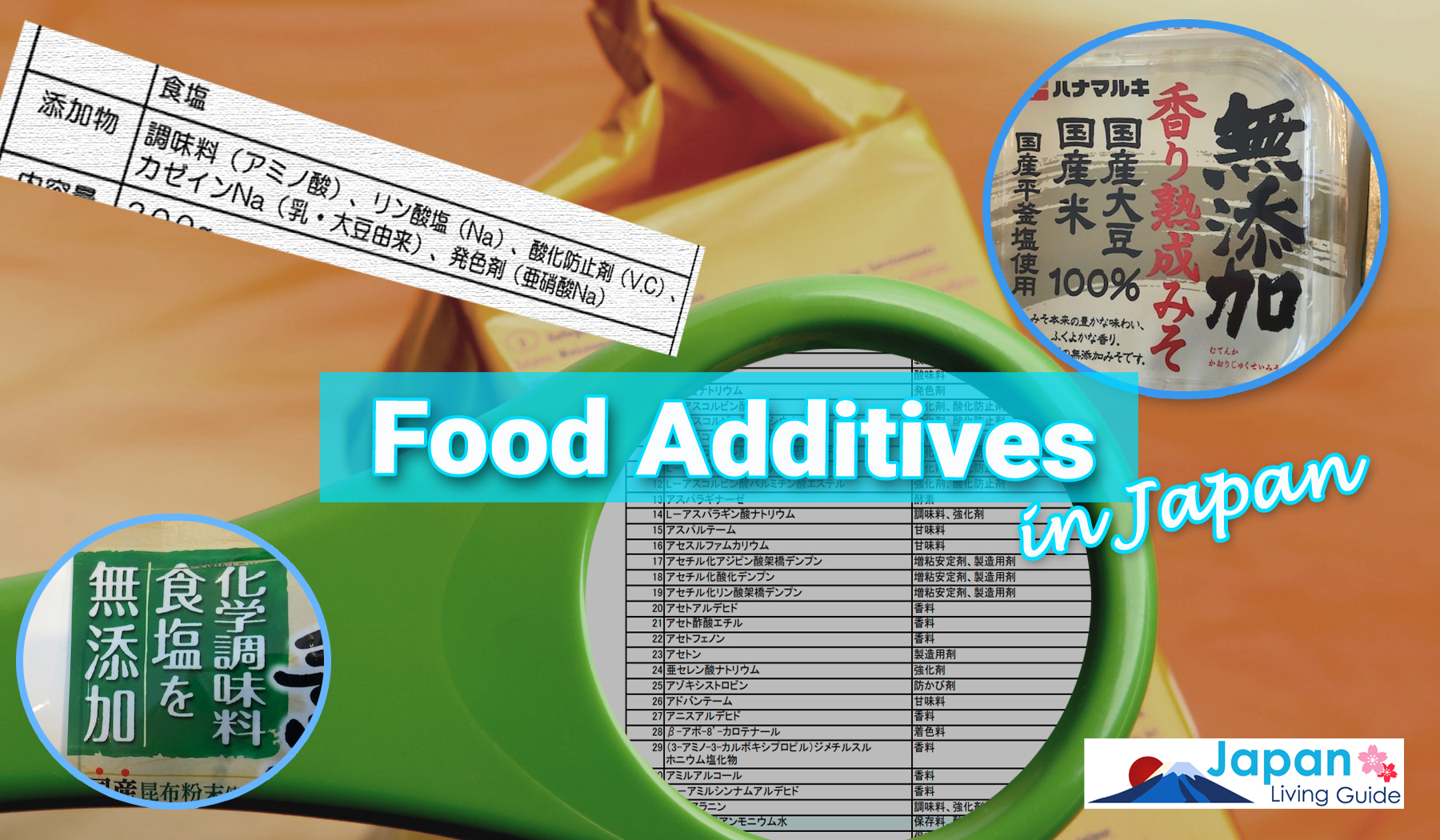
Food Additives in Japan: Everything You Need to Know ...
Food Additives Examples, Types & List - Study.com For example, the glue used to put labels on food containers must pass the FDA process. Lesson Summary. In review, food additives are any item that affects a food product, either directly or ...
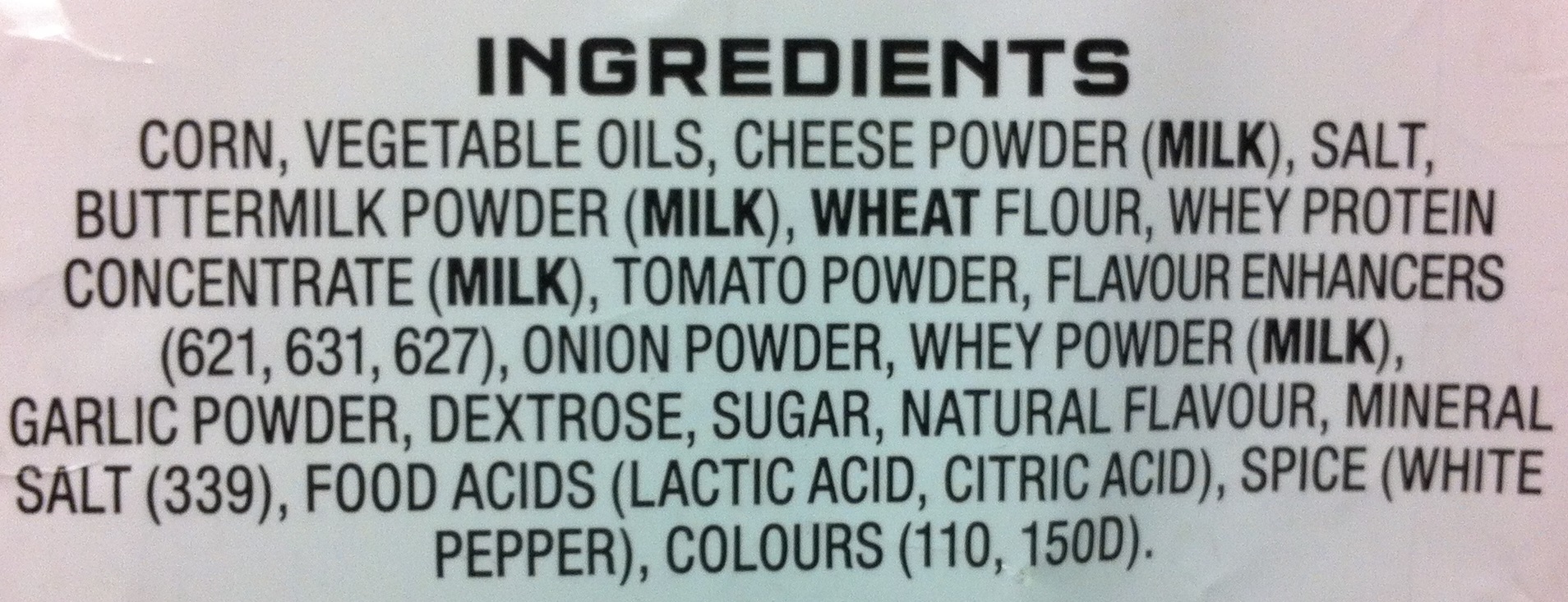
Additives most likely to cause adverse reactions - Catherine ...
Food additives - World Health Organization Substances that are added to food to maintain or improve the safety, freshness, taste, texture, or appearance of food are known as food additives. Some food additives have been in use for centuries for preservation - such as salt (in meats such as bacon or dried fish), sugar (in marmalade), or sulfur dioxide (in wine).

Food Labels
Additive labelling - Healthy Food Guide Food additives normally come under a 'class' which is a category that indicates what the food additive does. Examples of classes include preservatives, sweeteners, colours and flavour enhancers. Food additives are also assigned international code numbers - these are the numbers that we see on food labels. These numbers can be used in ...
Examples of bilingual food labels. | Download Scientific Diagram
Food Additives | What to Look for On a Label to Keep Yourself Safe! BHA is a commonly used chemical food additive that slows the rate of autoxidation in food, which prevents changes in color, smell, and taste. It's frequently added to butter, lard, meats, cereals, baked goods, sweets, beer, vegetable oils, potato chips, snack foods, nuts and nut products, and dehydrated potatoes.

What's In My Food? Additives and Reading Labels - Make ...
› food › food-labeling-nutritionChanges to the Nutrition Facts Label | FDA - U.S. Food and ... Mar 07, 2022 · Manufacturers with $10 million or more in annual sales were required to update their labels by January 1, 2020; manufacturers with less than $10 million in annual food sales were required to ...

Inside 'Ingredients,' a Fascinating Book About Food Additives ...
Additives in food products - EU labelling rules - Your Europe In an ingredient list, most food additives and food enzymes must be preceded by the name of the category to which they belong (examples: antioxidant, emulsifier, preservative). List of all additives - annex 2 part B of the EU regulation on food additives Classes of food additives - annex 1 of the EU regulation on food additives
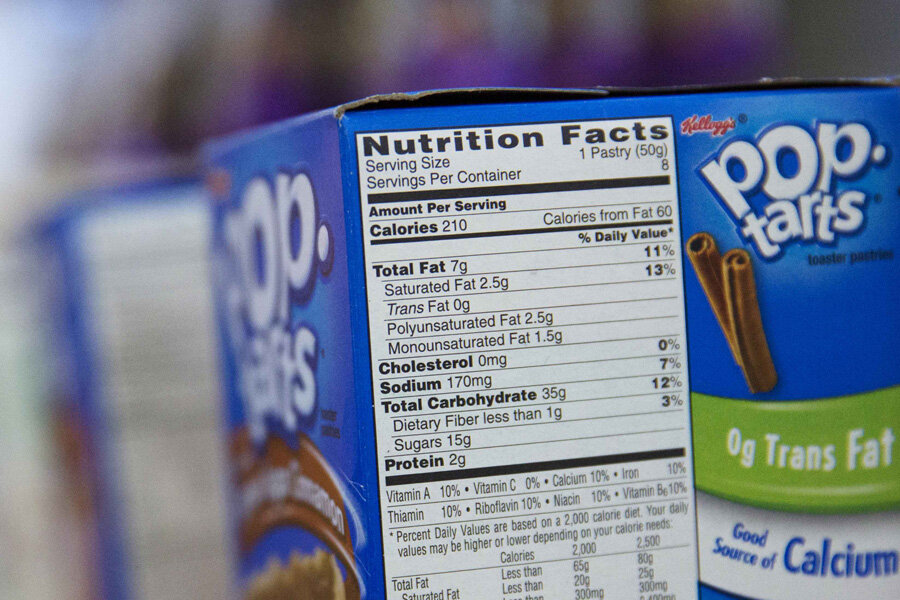
Ten things you didn't know about food labels - CSMonitor.com
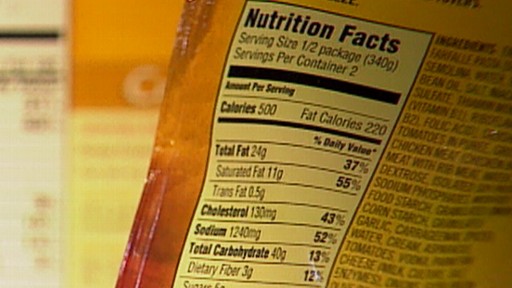
Navigating Food Additives - ABC News
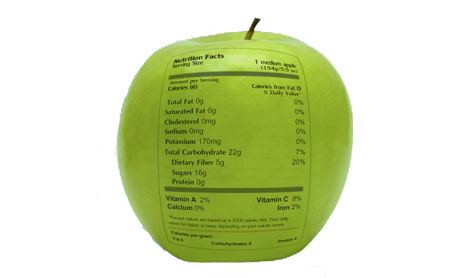
Food labels: What are additives and E-numbers? - AngeNoy.com
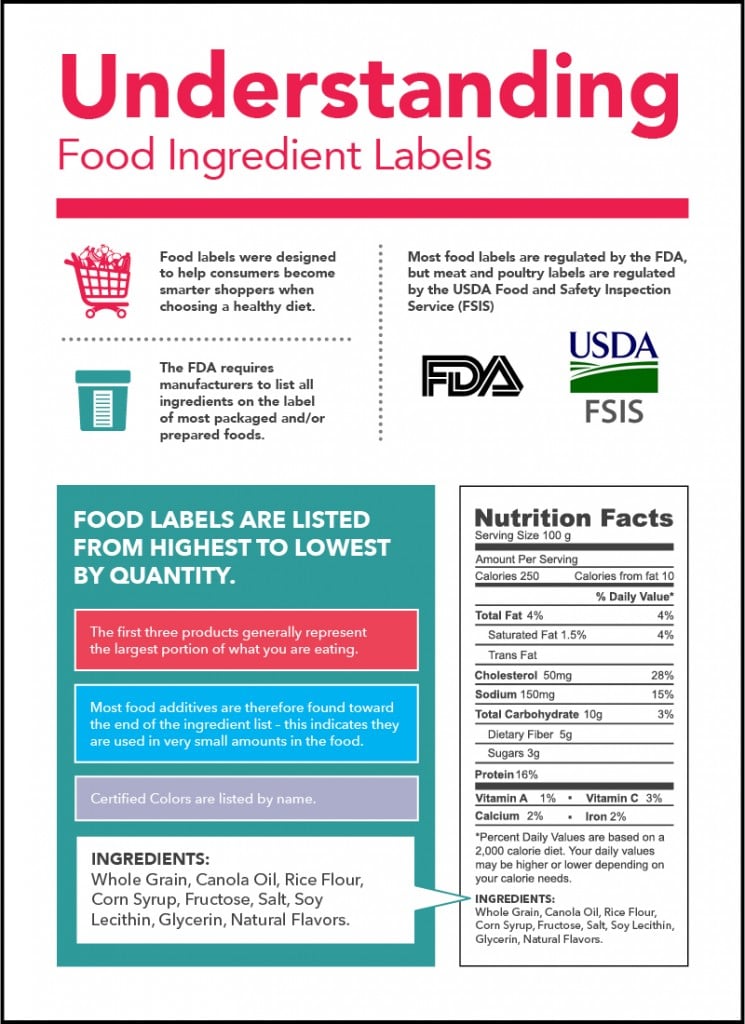
Understanding Food Labels - Food Ingredient Facts
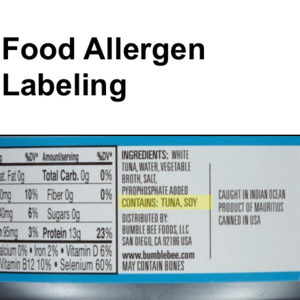
Allergen Labeling Requirements — FDA Reader
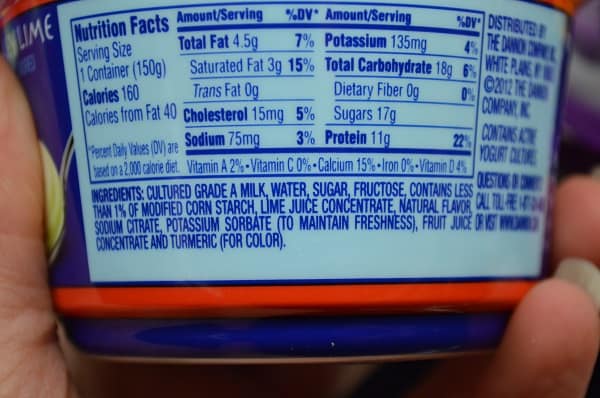
30 Dairy Additives You Should Know About | DontWastetheCrumbs.com

Healthy Working - C3

Avoid these 6 harmful food additives : The CNM Health Coach ...
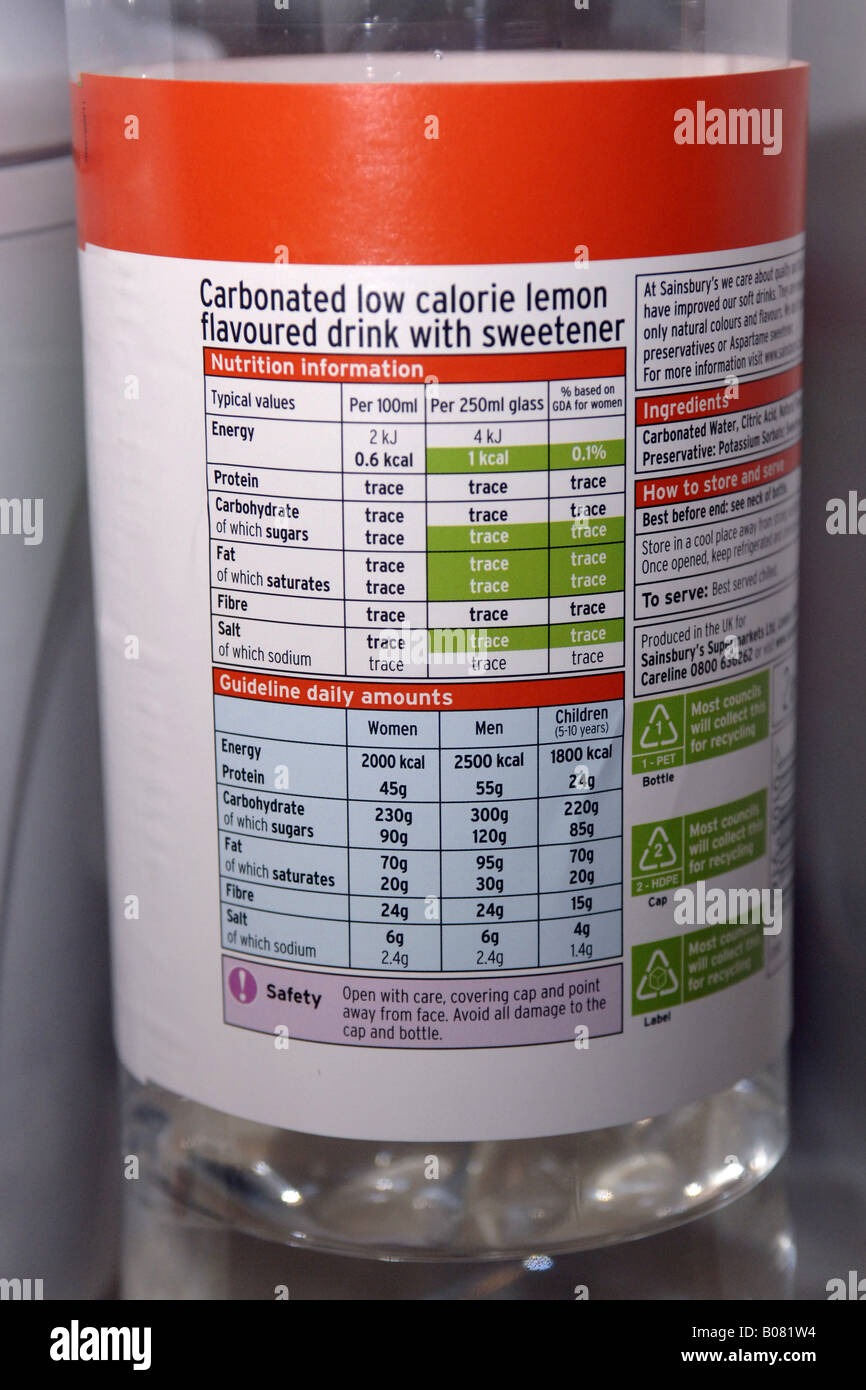
Packaging labels on food stuffs with information on ...

UGA food scientist says additives aren't as scary as you think

Attention to Food Phosphate and Nutrition Labeling - Journal ...
How to decode a food label - BBC Future
7 Translated Toxic Ingredients on Food Labels | Healthy ...
Fort Riley Army Wellness Center - Learn about Food Labels ...

24 Food Additives to Avoid ideas | food additives, natural ...

Decoding Ingredients on Processed Food Labels - Family ...

Food additives & FODMAPs - A blog by Monash FODMAP | The ...
Food ingredients Spotlight on food additives. 2 Lists all of ...
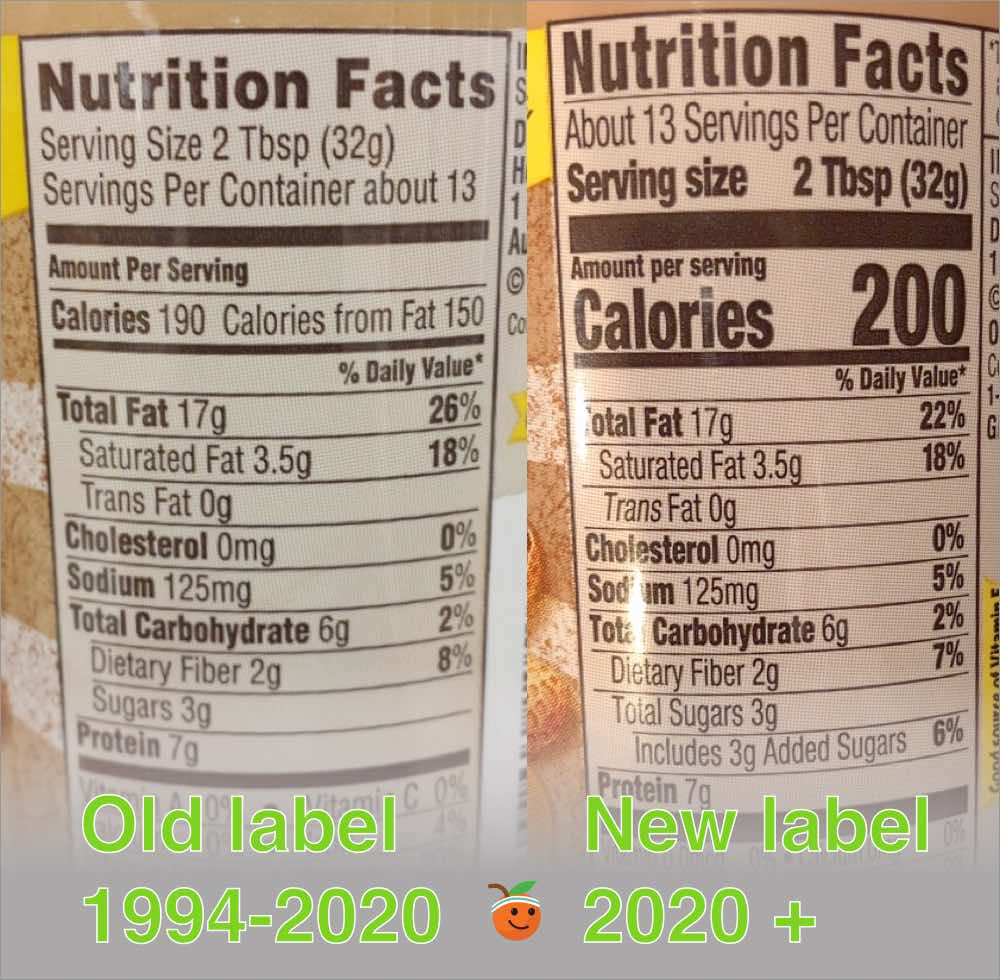
1862 - 2020: A Brief History of Food and Nutrition Labeling ...

Secrets Hidden in Your Nutrition Labels | The Healthy

Assessing the additives | Nebraska Public Media

Additives and what they do - Catherine Saxelby's Foodwatch
Post a Comment for "42 food labels with additives"